SpotOn GPS Dog Fence Review (2026): 8 Inches of Drift in Our Testing


SpotOn Nova scored 93/100 on the Pampered Pup Fence Score — the highest of any GPS dog fence we’ve tested. It averaged 8 inches of correction drift under partial tree cover, fired every warning stage on every trial, and requires no subscription for containment.
This review breaks down exactly what those numbers mean, where the data comes from, and whether $999 makes sense for your property.
90-day money-back guarantee. Free shipping.
What Is the Pampered Pup Fence Score?
The Pampered Pup Fence Score rates GPS dog fences on a 100-point scale using four components derived from tape-measured boundary testing. Every score is formula-driven — no editorial adjustments.
| GPS Fence | Score | Band | Reliability /30 |
Consistency /30 |
Accuracy /25 |
Warnings /15 |
|---|---|---|---|---|---|---|
| SpotOn Nova | 93/100 | Exceptional | 30 | 25 | 23 | 15 |
| Halo Collar 5 | 64/100 | Mixed | 30 | 6 | 19 | 9 |
| PetSafe Guardian | 42/100 | Weak | 18 | 0 | 15 | 9 |
| Satellai | 0/100 | Failing | 0 | 0 | 0 | 0 |
Scoring Formulas
| Component | Weight | Formula | What It Measures |
|---|---|---|---|
| Reliability | 30 pts | (corrections fired ÷ total trials) × 30 | Did the collar fire the final correction? |
| Consistency | 30 pts | 30 × (1 − std dev ÷ 100) | How predictable is the correction location? |
| Accuracy | 25 pts | 25 × (1 − avg drift ÷ 100) | How close to the boundary did it fire? |
| Warning Completeness | 15 pts | (full-sequence trials ÷ total trials) × 15 | Did every designed warning stage fire? |
Scale anchor: 100 inches (≈ 8 feet). At this level of drift or standard deviation, the correction zone spans a typical road setback — the fence cannot be trusted near hazards. Drift or deviation at or above 100” scores zero for that component.
Consistency eligibility: Collars that failed to fire the correction on any trial score 0 for Consistency. If the collar doesn’t always fire, the sample is too unreliable to assess predictability.
Score Bands
| Score | Band | What It Means |
|---|---|---|
| 90–100 | Exceptional | Reliable, consistent, and accurate. Safe near hazards. |
| 70–89 | Strong | Reliable containment with manageable trade-offs. |
| 50–69 | Mixed | Contains but consistency or warning coverage has gaps. |
| 25–49 | Weak | Frequent failures or insufficient data. Not recommended as sole containment. |
| 0–24 | Failing | Did not deliver functional containment in testing. |
Tested by: Zach Lovatt · SpotOn Nova: November 2025 · Halo Collar 5: September 2025 · PetSafe Guardian & Satellai: July 2025
SpotOn Nova & Halo Collar 5: Partial tree cover · PetSafe Guardian & Satellai: Dense tree cover (deliberately harder conditions — PetSafe's accuracy and consistency would likely score higher under partial tree cover)
Method: Tape-measured boundary testing, 5 trials per collar, walk-and-mark with collar in hand
Formulas: Reliability = (corrections ÷ trials) × 30. Consistency = 30 × (1 − std dev ÷ 100), requires 100% fire rate. Accuracy = 25 × (1 − |avg drift| ÷ 100). Warning Completeness = (full-sequence trials ÷ trials) × 15. Scale anchor = 100" (≈ 8 ft).
Note: SpotOn uses walk-the-line boundary setup (fence aligns with rope). Halo, PetSafe, and Satellai use map-based placement (potential alignment gap). PetSafe uses a two-stage warning system (alert + correction only, no intermediate warning vibration) — this is a design choice, not a scored failure.
How Accurate Is the SpotOn GPS Fence?
SpotOn Nova averaged 8 inches of correction drift in our tape-measured testing — the tightest of any GPS dog fence we’ve evaluated. That means the collar’s final correction fired within 8 inches of the actual boundary line on average across 5 trials.

What does “correction drift” mean?
Correction drift is the distance between where your boundary is set and where the collar actually fires. Positive drift means the correction fired before your dog reached the line (still safe). Negative drift means it fired past the line (potential escape). SpotOn’s 8-inch average means the correction hits almost exactly where the boundary is.
Why does SpotOn’s walk-the-line method matter for accuracy?
SpotOn’s biggest accuracy advantage isn’t just its GPS hardware — it’s how the boundary gets created. You physically walk the collar along your property line, so the digital fence aligns exactly with the physical boundary. There’s no gap between where the collar “thinks” the line is and where it actually is.
Collars that use map-based boundary placement (like Halo) introduce alignment error: you draw the fence on a satellite image, but the real property line may not match exactly. When we test against a physical rope, some of Halo’s measured drift comes from this alignment gap rather than the collar’s GPS precision. That’s why we lean on standard deviation — how consistently the collar fires from trial to trial — as the fairest cross-collar comparison metric.
How did you measure SpotOn’s accuracy?
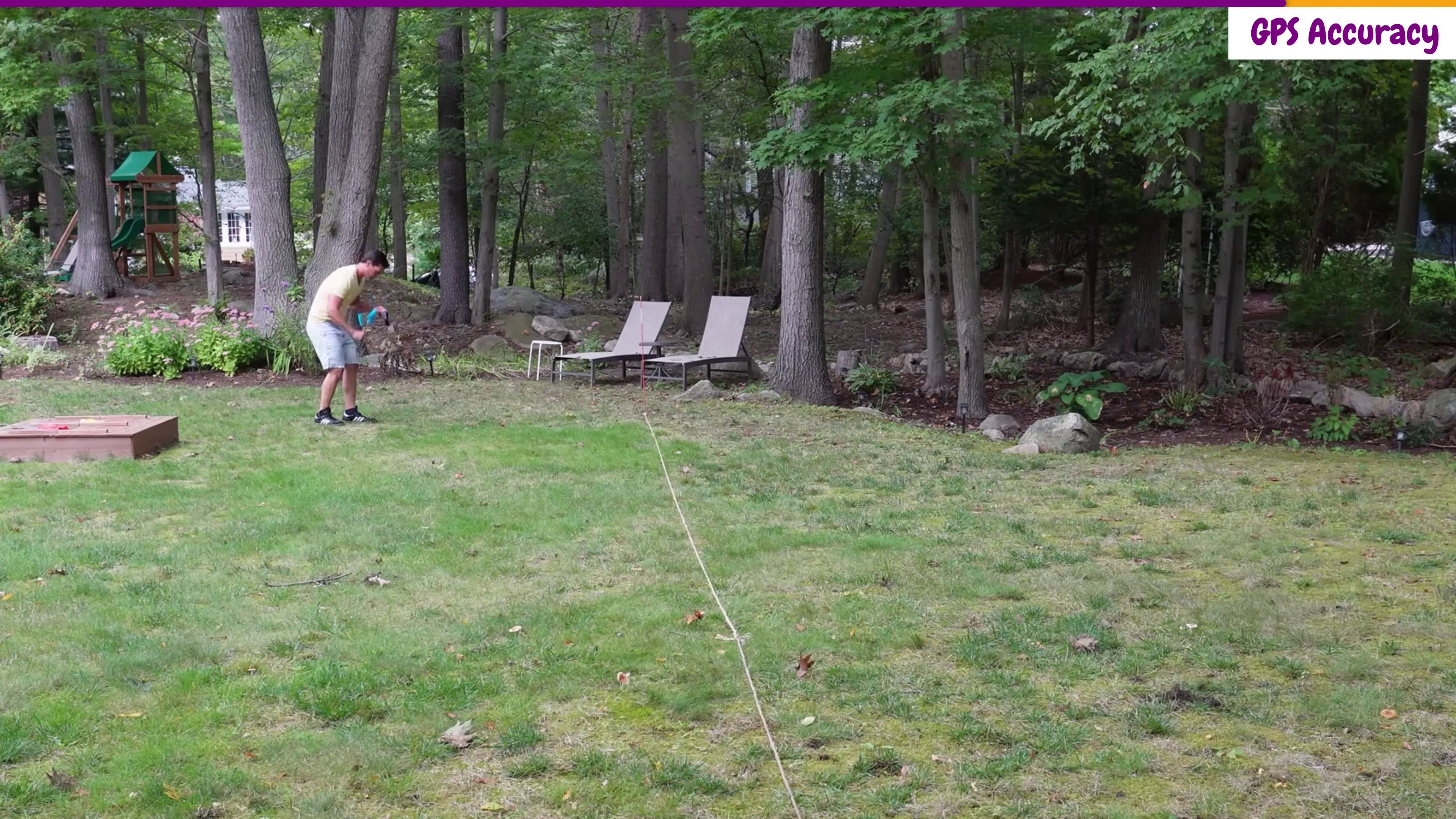
Zach laid a physical rope on the ground as the boundary — a real, measurable line. He walked the collar across it and flagged exactly where each feedback stage fired: alert, warning, and correction. After 5 trials, he measured every flag’s distance from the rope with a tape measure.

90-day money-back guarantee. Free shipping.
What were SpotOn’s trial-by-trial results?
Every feedback stage fired on every trial — zero misses across 15 total measurements.
| Trial | Alert | Warning | Correction |
|---|---|---|---|
| 1 | 180” | 99” | 35” |
| 2 | 198” | 134” | 13” |
| 3 | 139” | 85” | 0” |
| 4 | 144” | 73” | −7” |
| 5 | 71” | 71” | 0” |
| Average | 146.4” | 92.4” | 8.2” |
| Std Dev | 48.8” | 25.8” | 16.6” |
| Missed | 0/5 | 0/5 | 0/5 |
Why does standard deviation matter more than average drift?
Standard deviation reveals how predictable the correction is — and predictability is what trains your dog. SpotOn’s 16.6-inch standard deviation means the correction fires in roughly the same spot every time. Halo’s 79.8-inch standard deviation means one trial might fire several feet early and the next several feet late. A dog can’t learn a boundary that moves.
Standard deviation is also the fairest way to compare collars that use different boundary setup methods. It strips out the alignment question (walk-the-line vs map-based) and measures pure consistency — how much the collar varies from its own average.
SpotOn Nova: 8.2" avg drift, 16.6" std dev, 0/15 missed stages (partial tree cover, walk-the-line boundary)
Halo Collar 5: 25" avg drift, 79.8" std dev, 2/15 missed stages (partial tree cover, map-based boundary)
Note: Halo's higher avg drift is partly due to map-alignment gap, not solely GPS hardware. Std dev is the apples-to-apples metric.
Tested November 2025 by Zach Lovatt
How Does SpotOn Compare to Other GPS Dog Fences?
SpotOn Nova outperformed every GPS dog fence we tested on consistency and accuracy. It scored 93/100 on the Pampered Pup Fence Score versus 64/100 for Halo Collar 5, 42/100 for PetSafe Guardian, and 0/100 for Satellai. Halo matched SpotOn on final-correction reliability (both 5/5) — the gap is in how consistently and where the correction fires.
| SpotOn Nova | Halo Collar 5 | PetSafe Guardian | Satellai | |
|---|---|---|---|---|
| Fence Score | 93/100 | 64/100 | 42/100 | 0/100 |
| Final Correction Fired | 100% (5/5) | 100% (5/5) | 60% (3/5) | 0% (0/5) |
| Avg Correction Drift | 8” | 25” | −40” (3/5 working) | N/A (0/5 working) |
| Std Dev | 16.6” | 79.8” | N/A | N/A |
| Warning System | 3-stage, all fired | 3-stage, warning missed 2/5 | 2-stage (no warning vibration) | Non-functional |
| Boundary Method | Walk-the-line | Map-based | Map-based | Map-based |
| Test Conditions | Partial tree cover | Partial tree cover | Dense tree cover | Dense tree cover |
| Subscription | Optional | Mandatory | Required | Required |
| Price | $999 | $524 + monthly | Lower | $500 |
Dense-Cover Stress Test (July 2025)
All four collars tested on the same property under identical dense tree cover — no test-condition differences to argue about.
| SpotOn Omni | Halo Collar 4 | PetSafe Guardian | Satellai | |
|---|---|---|---|---|
| Correction Fired | 100% (5/5) | 100% (5/5) | 60% (3/5) | 0% (0/5) |
| Avg Correction Drift | −38.7” | +43.1” | −40.2” (3/5 working) | N/A |
| Past Boundary | 3/5 | 2/5 | 2/3 working | N/A |
Tested by: Zach Lovatt · Date: July 2025 · Conditions: Dense tree cover (~50% pine canopy)
All four collars tested on same property, same day, identical methodology
SpotOn Omni and Halo Collar 4 are previous-generation models (replaced by Nova and Collar 5)
Even the older SpotOn fired the correction on every trial. PetSafe failed 40% of the time. Satellai failed 100%.
Note: PetSafe uses a two-stage system (alert + correction only). Reliability measures final correction, not intermediate warning stages.
How does SpotOn compare to Halo Collar?
SpotOn is more consistent than Halo in our testing — the key difference is standard deviation. SpotOn’s 16.6-inch standard deviation means the correction fires in nearly the same spot every time. Halo’s 79.8-inch standard deviation means significantly more variation between trials.
To be fair, part of Halo’s wider average drift comes from its map-based boundary placement. Unlike SpotOn’s walk-the-line method, Halo doesn’t let you physically walk the fence — you place it on a satellite map, which introduces alignment error between the digital boundary and our physical test rope. Halo’s GPS hardware isn’t solely responsible for all 25 inches of measured drift.
Credit where it’s due: Halo hit the final correction on every single trial — 5 out of 5. Its weakness isn’t final-stage reliability but consistency. The warning tone missed on 2 of 5 trials, meaning the dog sometimes skipped from alert directly to correction without the intermediate warning vibration.
Halo also wins on app quality (real-time tracking is significantly better), collar size (fits necks from 8 inches vs SpotOn’s 10-inch minimum), and bonus features (Bluetooth beacons, Cesar Millan training program). If those features matter more than consistency, Halo is worth considering. For the full breakdown, see our SpotOn vs Halo head-to-head comparison.
How does SpotOn compare to traditional invisible fences?
SpotOn is a GPS-based wireless system — no buried wire, no transmitter, no circular boundary limitations. Traditional in-ground fences require trenching wire around your property and create a fixed boundary you can’t move. Radio-based wireless fences like PetSafe create only circular boundaries with a half-acre maximum.
SpotOn lets you walk your exact property line and create any shape. For a full comparison of all invisible fence types, see our invisible dog fence comparison.
For detailed head-to-head comparisons: SpotOn vs PetSafe Guardian · SpotOn vs Satellai
Does SpotOn GPS Fence Work Under Tree Cover?
Yes — we tested SpotOn Nova under partial tree cover and it still averaged 8 inches of correction drift with 100% warning reliability. Most GPS dog fences degrade significantly under trees because satellite signals weaken. SpotOn’s larger antenna and quad-network satellite connectivity (GPS, GLONASS, Galileo, BeiDou) help it maintain accuracy where competitors struggle.
Has SpotOn been tested under dense tree cover?
We haven’t tape-measured the Nova specifically under dense tree cover yet — the Nova data on this page is from partial tree cover testing in November 2025. But we’ve done extensive dense-cover testing on prior SpotOn models. In our July 2025 dense-cover stress test, the SpotOn Omni fired the correction on all 5 trials under ~50% pine canopy — the only GPS fence besides Halo Collar 4 to achieve 100% correction reliability in those conditions. PetSafe failed 40% of the time and Satellai failed 100%.
Earlier-model results under dense cover were mixed on accuracy (the Omni averaged −38.7 inches of drift with 3/5 trials past the boundary), so we’re not extrapolating those results to the Nova. We’ll update this page with Nova-specific dense-cover data when we have it.
What does third-party lab testing say about SpotOn’s GPS accuracy?
SpotOn commissioned GPS testing lab Spirent to evaluate the Nova. Spirent reported 100% alert reliability across all runs and conditions. SpotOn commissioned the study, so it’s manufacturer-funded data — but Spirent is a recognized third-party GPS testing lab used across multiple industries, and no other GPS collar brand has published comparable third-party lab results.
Field: 8.2" avg drift under partial tree cover (Pampered Pup, Nov 2025)
Lab: 100% alert reliability across all conditions (Spirent, SpotOn-commissioned)
Dense tree cover: Nova not yet tape-measured. Prior models (Omni) tested Jul 2025 — 5/5 correction fired, but accuracy was mixed (−38.7" avg drift).
Does SpotOn Require a Monthly Subscription?
No. SpotOn’s containment works permanently without a subscription. Boundary creation, progressive warnings, and corrections all function on GPS and the collar’s onboard processor with no monthly fee. You buy the collar once, and the fence works forever.
What does SpotOn’s optional subscription include?
An optional cellular plan ($7.49–$9.95/month) adds live GPS tracking, escape notifications, and location history. These are tracking features, not containment features. The fence itself — the thing keeping your dog in the yard — works without paying anything beyond the initial purchase.
How does SpotOn’s cost compare to Halo over 3 years?
Over 3 years, SpotOn costs $999 total without the optional tracking plan. Halo costs roughly $884 ($524 + mandatory subscription). The difference is about $115 — but with SpotOn, your fence keeps working even if money gets tight one month. With Halo, the fence stops if the subscription lapses.
Is the SpotOn GPS Fence Worth $999?
For properties a third of an acre or larger with trees, terrain, or boundaries near hazards — yes. Physical fencing for 2+ acres runs $3,000–$10,000+. SpotOn’s $999 is a fraction of that, with the advantage of being portable, invisible, and adjustable.
How does the cost break down?
- SpotOn Nova: $999 one-time. No mandatory subscription. Containment works forever.
- Physical fence (2 acres): $3,000–$10,000+ depending on materials and labor
- Halo Collar 5: $524 upfront + mandatory subscription. Roughly $884 over 3 years.
- Emergency vet visit after escape: $1,000–$5,000+
Is there a money-back guarantee?
Yes. SpotOn offers a 90-day money-back guarantee. Test it on your actual property, with your actual dog, under your actual conditions. If it doesn’t perform, return it for a full refund.
90-day money-back guarantee. Free shipping.
How Do You Set Up SpotOn’s Boundary?
You physically walk your property line while holding the collar — the app drops GPS pins as you walk, creating a boundary that matches your actual yard. You’re not drawing a virtual fence on a map and hoping it lines up. You’re walking it.
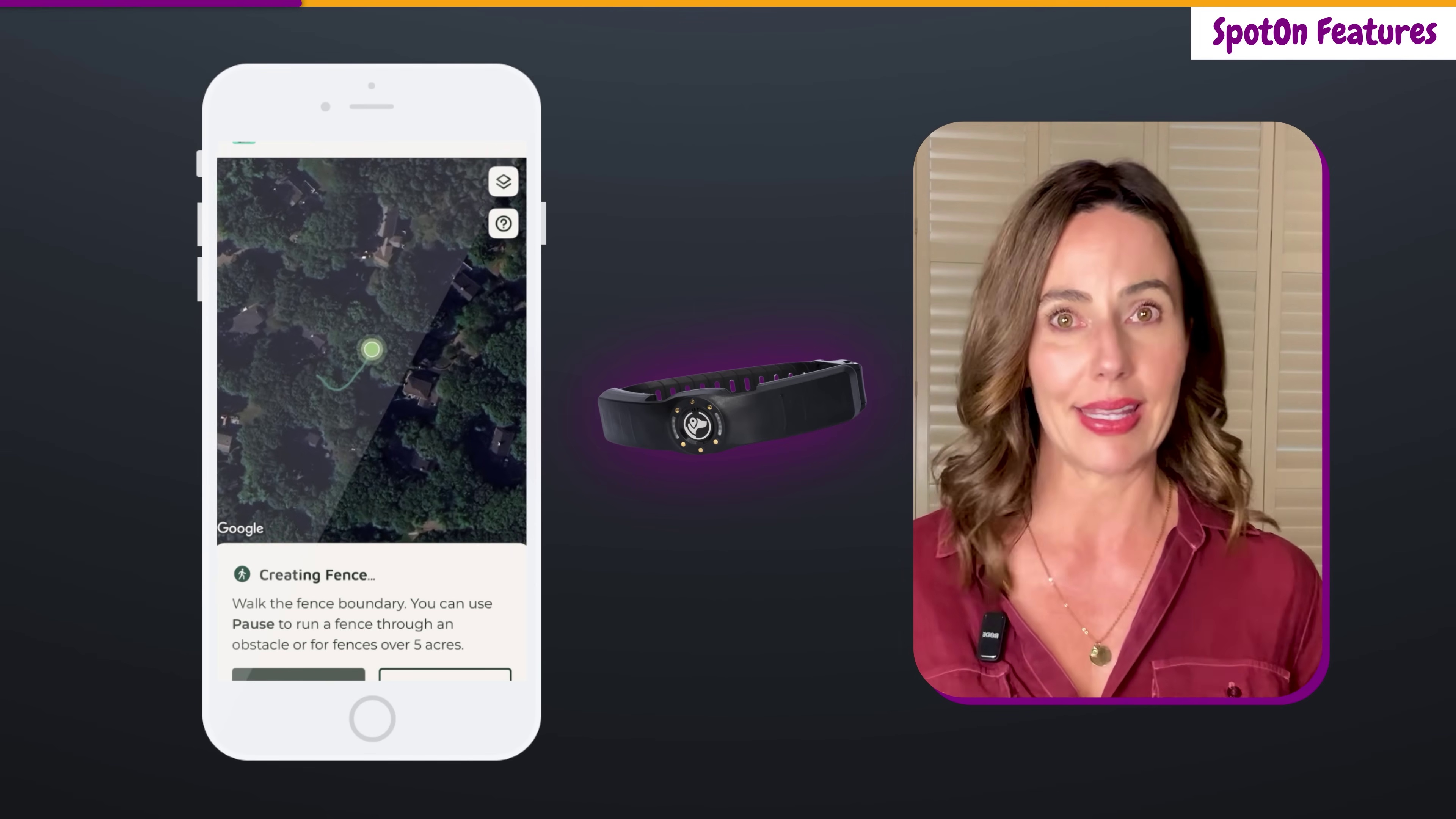
This is SpotOn’s most underrated advantage. Walk-the-line boundary setup means zero alignment error between the digital fence and the physical property line. Every other GPS collar uses map-based placement, which relies on satellite imagery that may be outdated, offset, or imprecise. Walk-the-line eliminates that variable entirely.
How detailed can the boundary be?
SpotOn supports enough fence posts to trace irregular property lines, driveways, garden beds, pools, and gaps between structures. The walk-the-line method drops GPS pins automatically as you walk, so the boundary matches whatever shape your property is.
Can you create multiple fences?
Yes. You can create unlimited virtual fences and save them. This is useful if you own multiple properties, travel, or want temporary safe zones for camping or vacation rentals.
What is SpotOn’s minimum property size?
SpotOn requires a minimum of one-third of an acre. If your yard is smaller, SpotOn won’t create a reliable boundary. For smaller properties, see our guide on the best dog fence for small yards — the Halo Collar 5 works on properties as small as 900 square feet.
How Long Does It Take to Train a Dog on SpotOn?
Most dogs learn the SpotOn boundary within about one week of consistent training. Kona, our test dog, learned in roughly one week using SpotOn’s structured training approach. SpotOn includes a free 30-minute virtual session with a certified trainer.
How does SpotOn’s progressive warning system work?
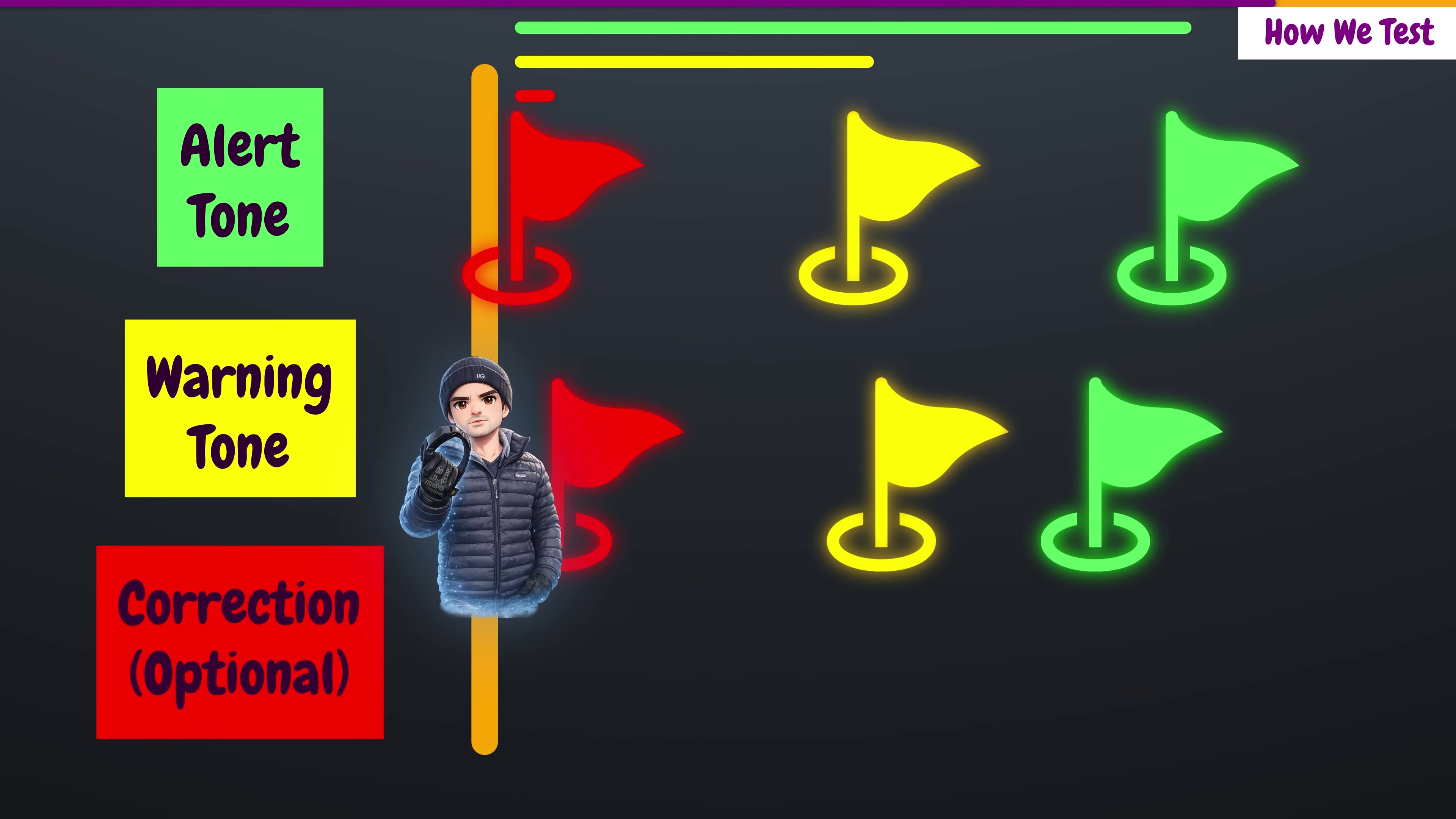
SpotOn uses a three-stage system: alert tone → warning vibration → static correction. Each stage fires at a different distance from the boundary, giving your dog multiple chances to turn back before correction. In our testing, all three stages fired on every single trial — your dog gets the full warning sequence every time.
What about high-drive dogs that chase wildlife?
High-drive dogs may take 2 to 4 weeks of consistent boundary training. The progressive alert system gives plenty of warning before correction, but dogs that chase deer or rabbits need more repetitions to override their prey drive. For general boundary training tips, see our guide on how to train your dog to stay in the yard.
Does SpotOn Work Without Cell Service?
Yes. SpotOn’s containment runs entirely on GPS satellites and the collar’s onboard processor — no cell service required. The fence itself — boundary detection, warnings, and corrections — works in areas with zero cell coverage.
What features do you lose without cell service?
You lose live GPS tracking and escape notifications, which require the optional cellular plan. But the containment system — the actual fence keeping your dog in the yard — is completely independent of cell service. This makes SpotOn the best option for rural properties, off-grid land, and camping.
Is SpotOn Too Bulky for Small Dogs?
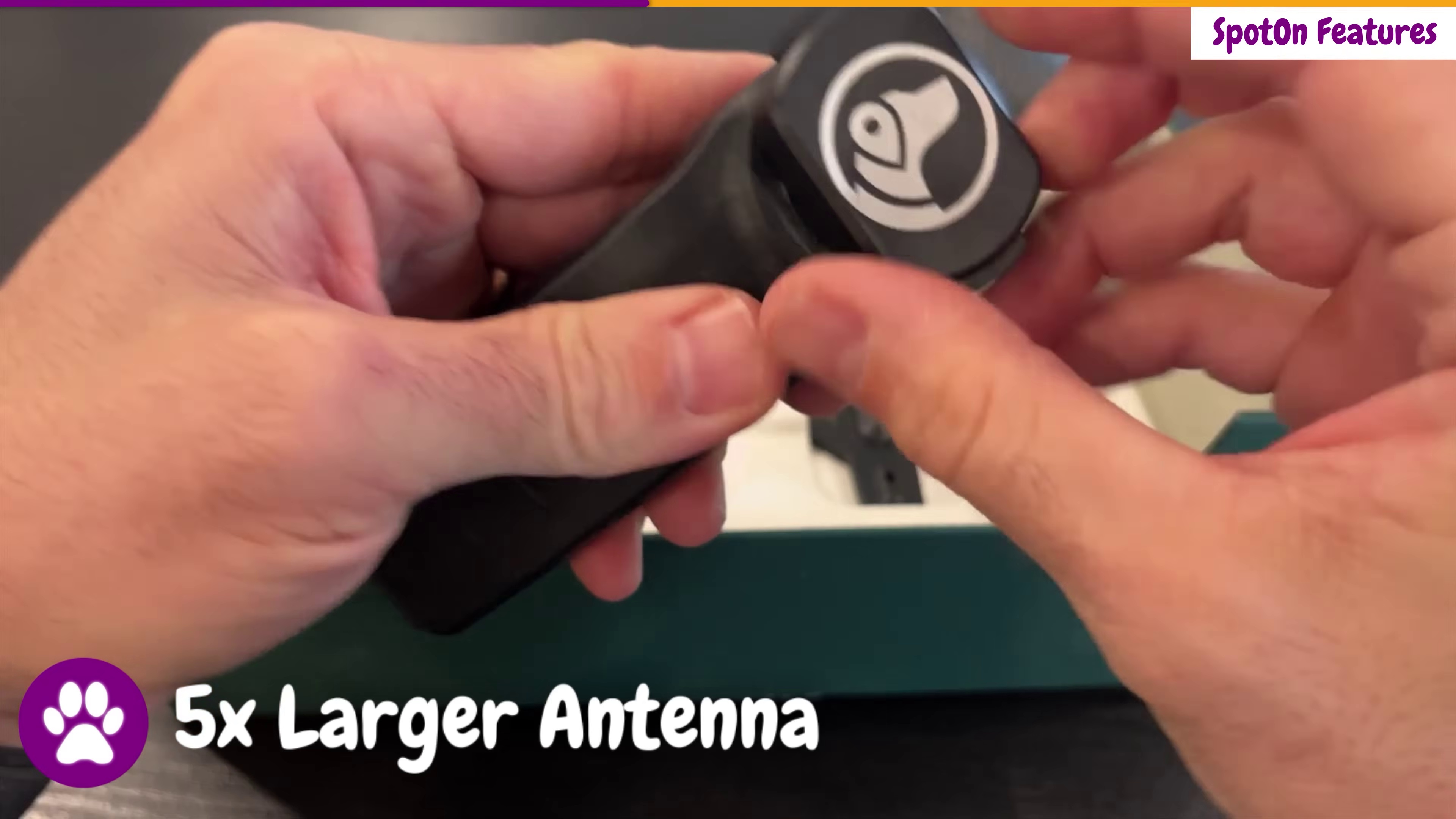
Yes, for dogs with necks under 10 inches. SpotOn’s collar is larger than competitors because it houses a bigger GPS antenna — which is the main reason it delivers tighter accuracy. The hardware trade-off shows up directly in the 8-inch drift and 16.6-inch standard deviation.
What is the minimum neck size for SpotOn?
SpotOn requires a minimum 10-inch neck circumference. Most dogs 15 pounds and up meet this threshold. Breeds like Corgis, Beagles, French Bulldogs, and Cocker Spaniels typically fit.
What GPS fence works for smaller dogs?
The Halo Collar 5 fits necks from 8 inches and dogs from 10 pounds — the most small-dog-friendly GPS fence available. It scored 64/100 on the Pampered Pup Fence Score (vs SpotOn’s 93), with wider drift but a lighter, smaller collar. Halo also hit the final correction on every trial — it’s the consistency between trials where SpotOn pulls ahead.
What Is SpotOn’s Battery Life?
SpotOn Nova lasts 33+ hours with an active tracking subscription and 40+ hours in containment-only mode (no subscription). Extended Battery Life Mode stretches runtime further. Overnight charging fully replenishes the battery.
How does SpotOn’s battery compare to Halo?
Halo advertises up to 48 hours of battery life; their owner manual’s realistic figure is closer to 28 hours. SpotOn’s 40+ hours in containment-only mode outlasts Halo’s real-world runtime. Even with tracking active, SpotOn’s 33+ hours is competitive. Battery life is no longer a Halo advantage.
What Are SpotOn’s Real Limitations?
Every GPS dog fence has trade-offs — here are SpotOn’s. We’d lose your trust if we only covered the good stuff.
Is SpotOn’s app as good as Halo’s?
No. Halo’s app — real-time tracking, visual interface, and overall polish — is genuinely ahead of SpotOn’s. If watching your dog move on a map in near real-time matters to you, Halo does it better. SpotOn’s tracking exists but isn’t on the same level.
Can you set it and forget it?
No GPS fence is set-it-and-forget-it. Your dog has to learn where the boundary is through consistent training. That takes about a week for most dogs, sometimes longer for high-drive breeds. The fence is only as good as the training behind it.
Has SpotOn been tested under dense tree cover?
We haven’t tape-measured the Nova under dense cover yet — the data on this page is from partial tree cover. We have tested prior SpotOn models (including the Omni) extensively under dense canopy, and the Omni fired the correction on all 5 trials in our July 2025 stress test. But accuracy was mixed at that level of cover, so we’re not projecting those results onto the Nova. We’ll update this page when we have Nova-specific dense-cover data.
How Durable Is the SpotOn Collar?
After three years of daily use across multiple dogs, we haven’t had a hardware failure. Kona’s collar has survived mud, salt water, beach sand, drops, and rough play — including a full ocean swim.
Is SpotOn waterproof?
Yes. The collar is rated for submersion and has held up through swimming, rain, and beach conditions in our long-term testing.
- 8 inches average correction drift — tightest we've tested
- Every feedback stage fired on every trial (0 misses)
- No subscription required for containment
- Walk-the-line boundary setup eliminates map-alignment error
- Works off-grid without cell service
- 90-day money-back guarantee
- Bulky collar — not suited for small dogs or thin necks
- App lacks the polish and real-time tracking quality of Halo's
- Minimum 1/3 acre property required
- $999 upfront cost is significant
Who Should Buy the SpotOn GPS Fence?
SpotOn is the right choice if boundary consistency is your top priority and your property is a third of an acre or larger. It scored 93/100 on the Pampered Pup Fence Score — the highest of any GPS dog fence we’ve tested.
Look elsewhere if:
- Your yard is under 1/3 of an acre (see our small yard guide linked above)
- Your dog’s neck is under 10 inches (Halo fits smaller dogs — see comparison above)
- Your primary concern is lowest upfront cost
- You want a polished app experience with real-time tracking
- You need a GPS fence that works humanely with minimal correction for a sensitive dog — SpotOn does offer tone-only mode, but the collar size may be uncomfortable for smaller breeds
Buy SpotOn if:
- Your property has trees, terrain, or conditions that challenge GPS accuracy
- Your boundary runs near a road, water, or other hazard where consistent corrections matter
- You need a fence that works in remote areas without cell service
- You own multiple properties and want one collar with unlimited saved fences
- You want no mandatory subscription for containment
Bottom Line
SpotOn Nova is the most accurate and consistent GPS dog fence we’ve tested — 93/100 on the Pampered Pup Fence Score, 8 inches of average drift, and zero missed warnings across every trial. If your property is a third of an acre or larger and your boundary runs near anything dangerous, SpotOn is the collar we’d trust.
90-day money-back guarantee. Free shipping.
Reviewer: Zach Lovatt (95+ hours of GPS dog fence testing)
Long-term tester: Kristen Simoes (3+ years daily use with Kona)
Testing dates: SpotOn Nova Nov 2025 · Halo Collar 5 Sep 2025 · PetSafe Guardian & Satellai Jul 2025
SpotOn Nova & Halo Collar 5: Partial tree cover · PetSafe Guardian & Satellai: Dense tree cover
Dense-cover stress test (Jul 2025): SpotOn Omni, Halo Collar 4, PetSafe Guardian, Satellai — all same property, same day
Method: Tape-measured boundary testing, 5 trials per collar, flagged drop points
Boundary setup: SpotOn tested with walk-the-line (fence = rope). Halo, PetSafe, Satellai tested with map-based placement (potential alignment gap).
Scoring: Pampered Pup Fence Score (Reliability 30 + Consistency 30 + Accuracy 25 + Warning Completeness 15)
Disclosure: This page contains affiliate links. We earn a commission if you purchase through our links at no extra cost to you. Our testing methodology and scores are independent of affiliate relationships.
Full methodology: How We Test GPS Dog Fences
Frequently Asked Questions
Is the SpotOn GPS Fence worth $999?
Based on our testing, yes — for properties a third of an acre or larger. SpotOn averaged 8 inches of correction drift under partial tree cover and scored 93 out of 100 on the Pampered Pup Fence Score. Physical fencing for 2 or more acres runs $3,000 to $10,000 or more. SpotOn requires no subscription for containment, and the 90-day money-back guarantee lets you test it risk-free.
How accurate is the SpotOn GPS Fence?
SpotOn Nova averaged 8 inches of correction drift with a 16.6-inch standard deviation in our tape-measured testing under partial tree cover. Every feedback stage — alert, warning, and correction — fired on all 5 trials with zero misses. Standard deviation is the fairest accuracy metric because it measures how consistently the collar fires regardless of boundary setup method.
Does SpotOn GPS Fence work under tree cover?
Yes. We tested SpotOn Nova under partial tree cover and it averaged 8 inches of correction drift with 100 percent warning stage reliability. The collar connects to 151 satellites across four networks — GPS, GLONASS, Galileo, and BeiDou — which helps maintain accuracy in obstructed environments. We have not tape-measured the Nova under dense tree cover yet, but prior SpotOn models fired the correction on all 5 trials in our dense-cover stress test.
Does SpotOn require a monthly subscription?
No. SpotOn’s containment features — boundary creation, progressive warnings, and corrections — work permanently without a subscription. An optional cellular plan at $7.49 to $9.95 per month adds live GPS tracking and escape notifications, but the fence itself works forever without monthly payments.
How does SpotOn compare to Halo Collar?
SpotOn’s 16.6-inch standard deviation means the correction fires in nearly the same spot every time. Halo’s 79.8-inch standard deviation means the correction location varies widely between trials. To be fair, part of Halo’s wider drift comes from its map-based boundary placement — unlike SpotOn’s walk-the-line method, Halo’s boundary may not align perfectly with the physical property line. Halo did hit the final correction on every trial in our testing. SpotOn requires no subscription for containment while Halo requires a mandatory subscription.
Does SpotOn work without cell service?
Yes. SpotOn’s containment runs entirely on GPS satellites and the collar’s onboard processor. Cell service is only needed for the optional live tracking feature. The fence itself — boundary detection, warnings, and corrections — works in areas with zero cell coverage, making it suitable for rural and off-grid properties.
How long does SpotOn battery last?
SpotOn Nova lasts 33-plus hours with an active tracking subscription and 40-plus hours in containment-only mode without a subscription. Extended Battery Life Mode stretches runtime further. Overnight charging fully replenishes the battery.
Is SpotOn too big for small dogs?
SpotOn requires a minimum neck size of 10 inches. The collar is bulkier than competitors because it houses a larger GPS antenna, which is part of why it delivers tighter accuracy. Dogs under about 15 pounds or with necks under 10 inches should use the Halo Collar 5, which fits necks as small as 8 inches.
How long does it take to train a dog on SpotOn?
Most dogs learn the SpotOn boundary within about one week of consistent training. Our test dog Kona learned in roughly one week using SpotOn’s structured approach. SpotOn includes a free 30-minute virtual session with a certified trainer. High-drive dogs or dogs that chase wildlife may take 2 to 4 weeks.
What does walk-the-line mean for GPS fence accuracy?
Walk-the-line means you physically carry the collar along your property boundary, and the app drops GPS pins as you walk. This creates a fence that aligns exactly with the physical line you walked — no gap between the digital boundary and reality. Collars that use map-based placement instead may have alignment error between where the app thinks the boundary is and where it actually is on the ground, which inflates their measured drift even if the collar’s GPS hardware is accurate.