
Off-Grid GPS Fence Tests: Does It Work Without Cell Service?
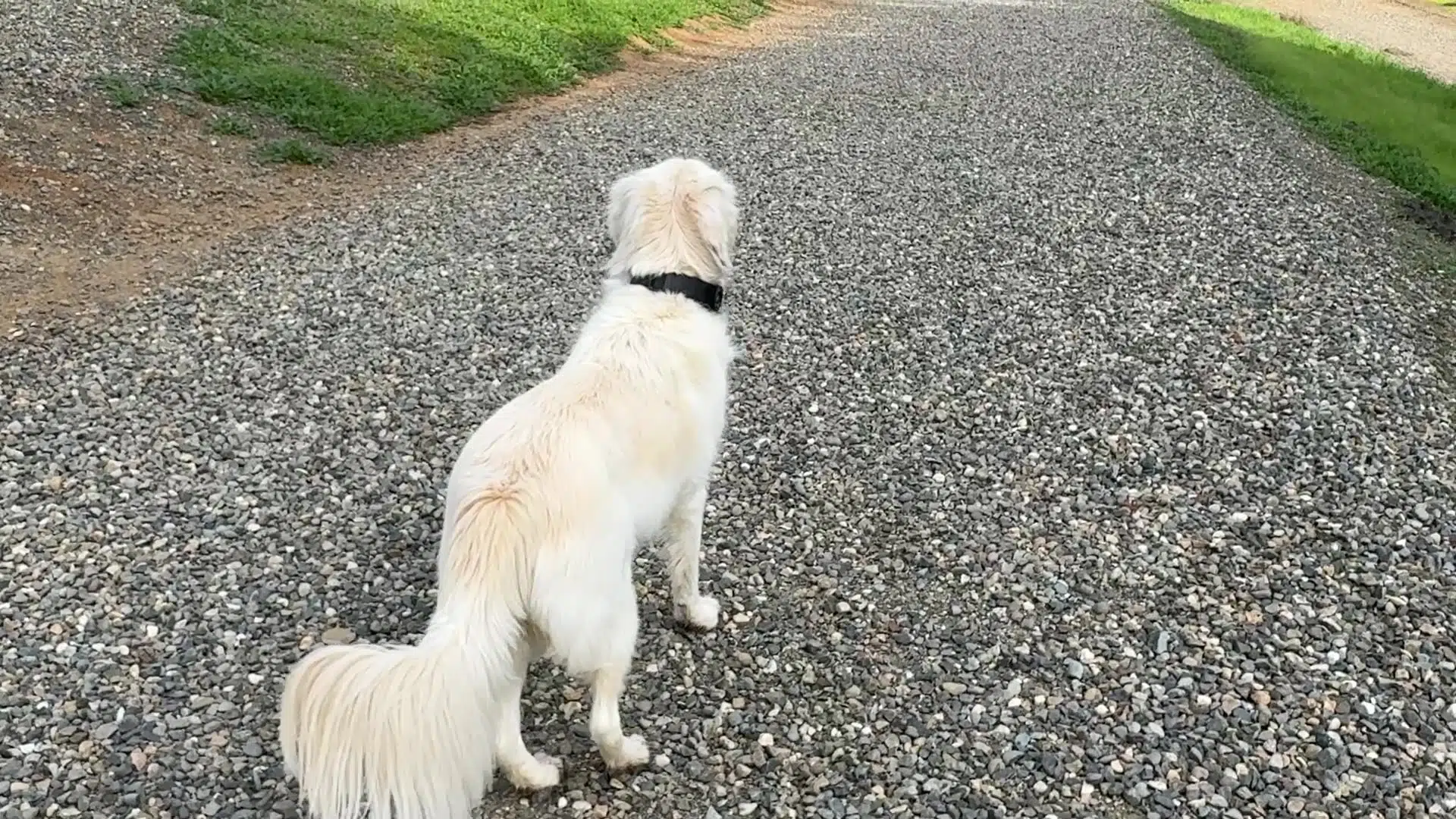
If you live on rural land, camp with your dog, or have property without reliable cell service, the question isn't just "how accurate is this GPS fence?" — it's "does it work at all?" Most GPS dog fences rely on cellular connectivity for at least some features. SpotOn is the only system we've tested that runs core containment entirely on GPS satellites and the collar's onboard processor, with zero cell or WiFi dependency.
What "Off-Grid" Actually Means
Off-grid doesn't mean "no technology" — it means no cell towers, no WiFi, no internet connection. That distinction matters because GPS satellites are always overhead regardless of cell coverage. They're separate systems entirely.
The real question is whether a GPS fence collar processes boundary detection locally — on the collar itself — or whether it requires a cloud or cellular connection to function. If containment depends on a server somewhere, losing cell signal means losing the fence.
SpotOn processes everything on the collar: GPS position fix, boundary comparison, warning triggers, and correction delivery. All of it runs onboard. That means the fence works even in areas with zero cell bars — no internet needed, no data plan required for containment to function.
What We've Verified
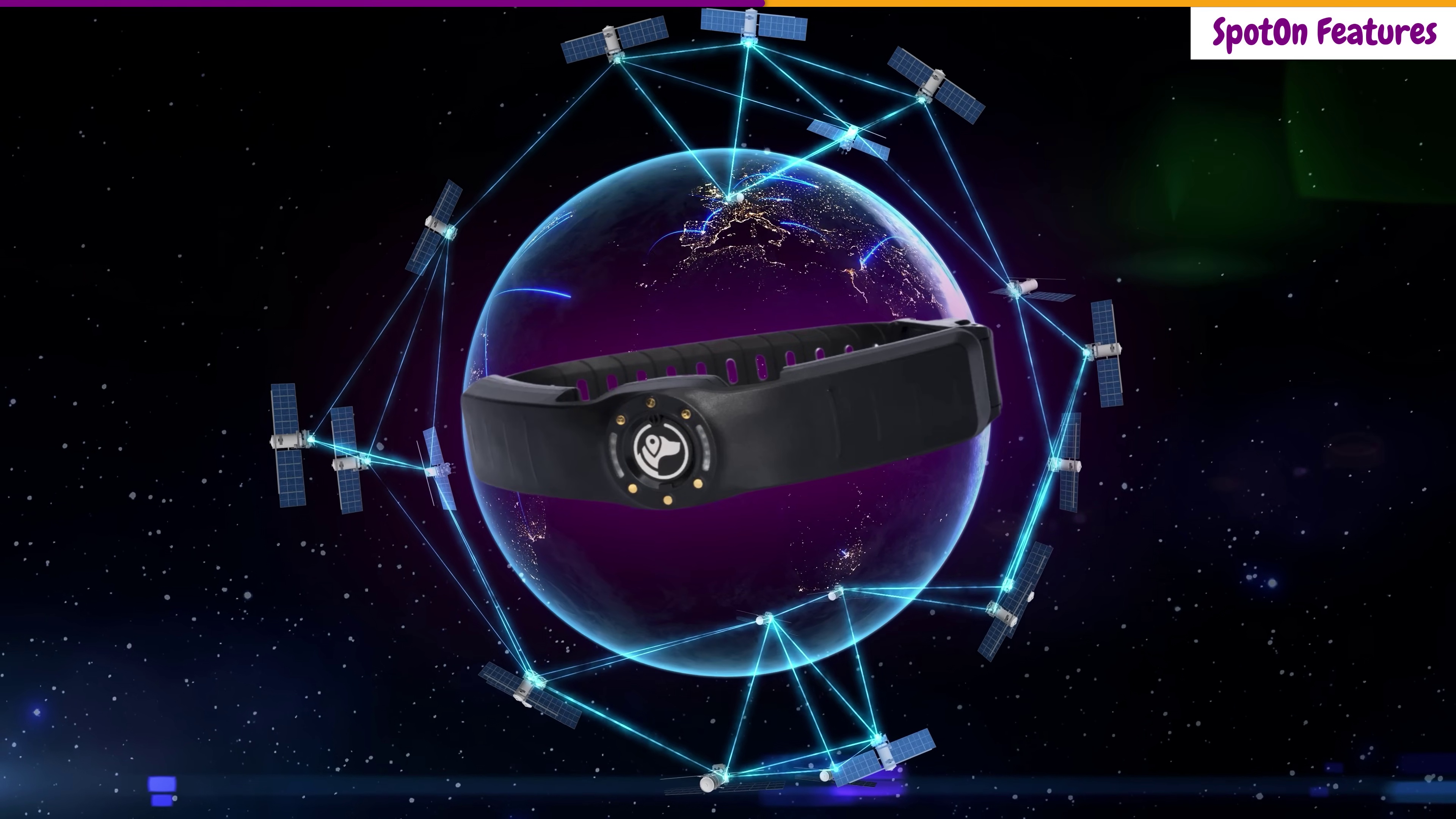 SpotOn Nova connects to multiple satellite constellations for positioning — no cell towers involved.
SpotOn's containment — boundary creation, warnings, and corrections — works without cell service. We've confirmed this across multiple field tests where cellular connectivity was unavailable or deliberately disabled.
The fence you create with walk-the-line setup is stored directly on the collar itself. Once the boundary is saved, no connection to the app, the internet, or SpotOn's servers is needed for containment to function. The collar knows where the boundary is because the data lives onboard.
Boundary detection, alert tones, warning vibrations, and static corrections all fire without any internet connection. The full three-stage warning sequence — alert, warning, correction — operates identically whether you have five bars of LTE or none at all.
For the full breakdown of how we measure boundary accuracy, see our testing methodology.
What You Lose Without Cell Service
Off-grid containment works, but you do lose certain features that depend on connectivity. Here's the breakdown:
Still Works Off-Grid
- GPS boundary detection
- Alert tone warnings
- Warning vibrations
- Static correction delivery
- Walk-the-line fence creation
- Onboard fence storage
- Multi-satellite positioning (GPS, GLONASS, Galileo, BeiDou)
Requires Cell Service
- Live GPS tracking on the app map
- Escape push notifications to your phone
- Remote fence adjustments (beyond Bluetooth range)
- Location history and activity logs
- Over-the-air firmware updates
The distinction is straightforward: containment is local, monitoring is remote. The actual fence keeping your dog in the yard is completely independent of connectivity. What you lose is visibility — the ability to see where your dog is from inside the house or get alerted if they breach the boundary. For many rural dog owners, that trade-off is acceptable because the fence itself never stops working.
How Other GPS Fences Compare Off-Grid
We can only speak to what we've tested. Here's where things stand with the other GPS fences we've evaluated:
- Halo Collar — requires a mandatory pack membership to activate GPS services, create fences, and use cellular features. The collar doesn't work without it. We haven't tested Halo specifically in zero-cell conditions to verify whether the fence continues to enforce once activated. If the collar needs periodic server check-ins, off-grid use could be limited.
- PetSafe Guardian — uses app-based boundary management. We haven't tested its off-grid capabilities and can't confirm whether containment continues without connectivity.
- Satellai — failed to deliver any feedback in our testing even with full connectivity (0 out of 5 trials under dense cover), so off-grid performance is not a relevant question for this collar.
SpotOn is currently the only GPS fence we can confirm works fully off-grid based on our testing. That's not a marketing claim — it's a direct result of the architecture: onboard processing means no server dependency.
For tape-measured accuracy data across all four collars, see our GPS accuracy test results.
Where Off-Grid Matters
If any of these describe your situation, off-grid capability isn't a nice-to-have — it's a requirement:
- Rural properties without cell towers — large parcels where the nearest tower is miles away
- Mountain cabins and vacation homes — seasonal properties in areas with no infrastructure
- Large acreage with spotty signal — even partial dead zones can knock out a cloud-dependent fence
- Camping and RV travel — SpotOn lets you create a new fence at any location, so you can set up containment at a campsite with no cell service
- Hunting land and remote outdoor properties — exactly the kind of terrain where you most need reliable containment
- Backyards where WiFi doesn't reach — some properties have coverage at the house but not at the property line
Planned Testing
We're transparent about what we've confirmed and what we still need to measure. Our off-grid verification so far has been in areas with limited cell coverage. The next phase is more rigorous:
- We're planning expanded off-grid testing in remote mountain environments — areas with zero cell coverage and challenging terrain that could affect satellite geometry
- We want to measure whether accuracy changes in truly remote GPS conditions, where available satellite constellations may differ from suburban areas
- Multi-day off-grid camping scenarios are on the list — fence creation, boundary enforcement, and battery management over extended periods without any connectivity
- We'll also be testing how the collar handles transitioning between connected and disconnected zones, which matters for properties that sit on the edge of coverage
If you have a specific off-grid use case you'd like us to test, reach out — we prioritize testing based on what dog owners actually need to know.
This page will be updated with full tape-measured data as those tests are completed. For details on how we measure and score GPS fence accuracy, see our dense cover testing results.
Bottom Line
If you need a GPS fence that works without cell service, SpotOn is currently the only option we can recommend based on our testing. Core containment runs entirely on satellite positioning and onboard processing — no cloud dependency, no subscription required for the fence to function.
The collar stores boundaries locally, processes GPS fixes locally, and delivers warnings and corrections locally. Everything that matters for keeping your dog safe happens on the device, not on a server.
We haven't finished our expanded off-grid testing, and we'll say clearly when those results are in. But what we have verified is the fundamental architecture: SpotOn doesn't need the internet to be a fence. That alone puts it in a different category for rural and remote dog owners.
For the complete picture on SpotOn's performance, accuracy data, and how it compares to competitors, see our full SpotOn GPS dog fence review and GPS fence rankings.